n8n or Make: How to Choose an Automation Platform
We compare n8n, Make and custom development on the criteria that really matter to a business: where data lives, logic complexity, speed of start and maintenance.

When a business decides to remove manual routine, the first question is what to build it with. The most common choice is between n8n, Make and a custom backend. There is no universal answer, but there are clear criteria.
1. Where the data should live
n8n can be deployed on your own server, so data and keys stay within your perimeter. Make is a cloud service: quick to start, but data passes through an external platform. If you work with sensitive information, this point can be decisive.
2. Complexity of logic
For linear scenarios (a request arrives, create a card, send an email) both tools are fine. When branching, loops, processing large data arrays or non-standard checks appear, it is easier where you can insert your own code: n8n has dedicated nodes for that. If the logic is complex and critical, it is better to write a separate service.
3. Speed of start and ready integrations
Make has a rich library of ready modules and a very visual editor: typical connections come together fast even without experience. n8n also has hundreds of integrations, and for missing services you can call their API directly.
4. Cost
Both platforms have plans that depend on the number of executions or operations, and self-hosted n8n also needs a server and maintenance. Check current terms on the services' websites and count not the subscription price but the total yearly cost: subscription, server, time for support.
5. Maintenance and transparency
Automation nobody understands quickly becomes a black box. Whatever the tool, document scenarios, add error alerts and keep access credentials in a safe place.
How we suggest proceeding
- Describe the process in words: who does what and when.
- Pick one scenario with the biggest effect and the lowest risk.
- Build a prototype on a quick tool and test it on real data.
- Only then decide whether to stay on the platform or move the logic into a separate service.
If you want a team to handle it, see our process automation service and the AI engineering direction.
How we help with this
Services related to the topic of this article:
Frequently asked questions
Where should automation start?
With one repeated process that has clear rules, for example moving requests from a form into a CRM. After the first result it is easier to scale.
Can we move from one platform to another later?
Yes, but scenarios will have to be rebuilt. That is why it is worth describing the process separately from the tool: then migration takes far less time.
Read next
 SEO and marketing
Text Uniqueness and SEO Quality: What to Check Before Publishing
What water, nausea and keyword stuffing really mean, how to check uniqueness and why no online service gives a hundred percent guarantee. A practical checklist for an editor.Read →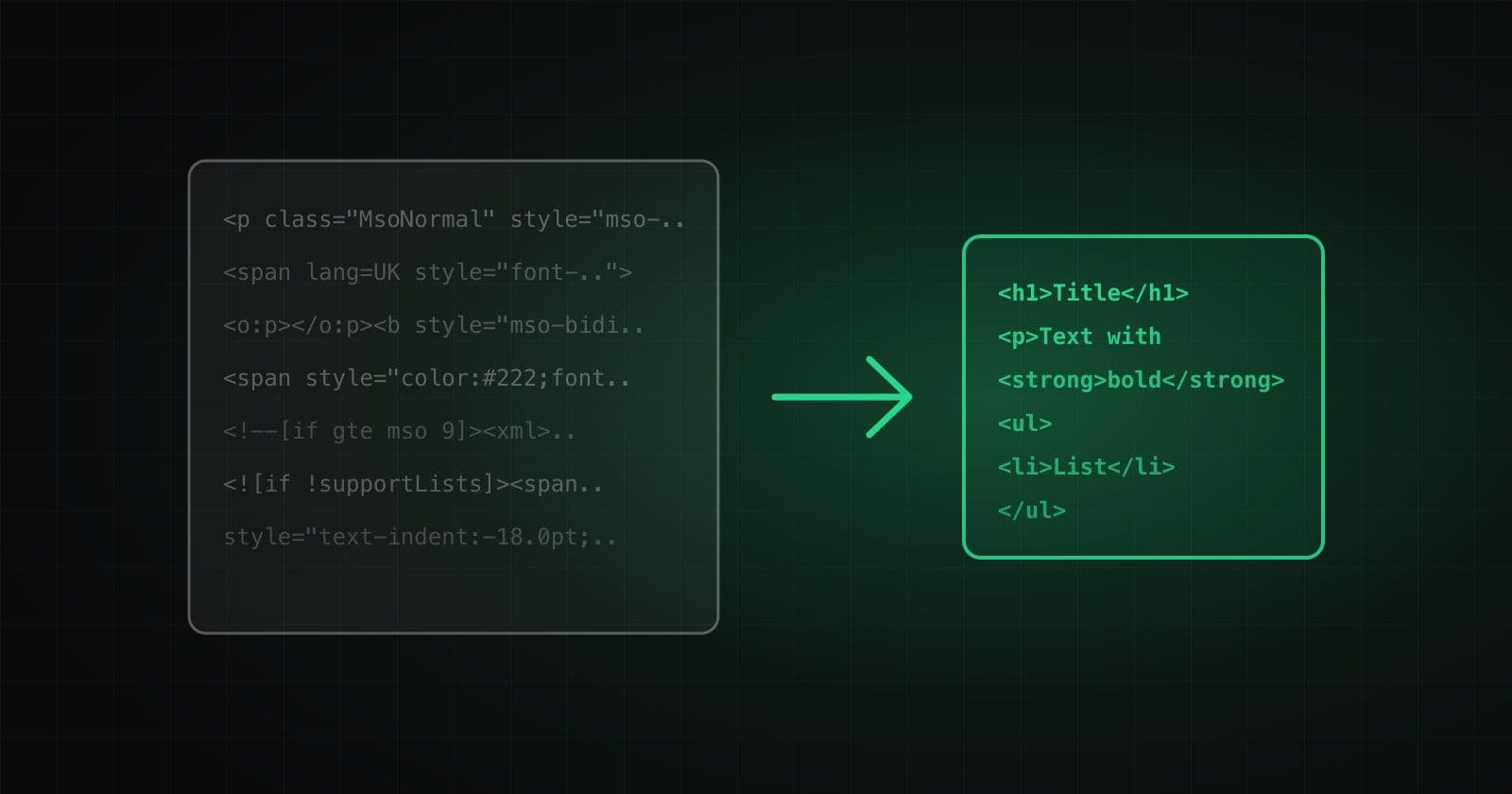 Tools and products
How to Clean HTML from Word and Google Docs Without Losing Formatting
Where the extra markup comes from when you copy text, why it hurts, what to keep and seven typical traps that break headings, lists and links.Read →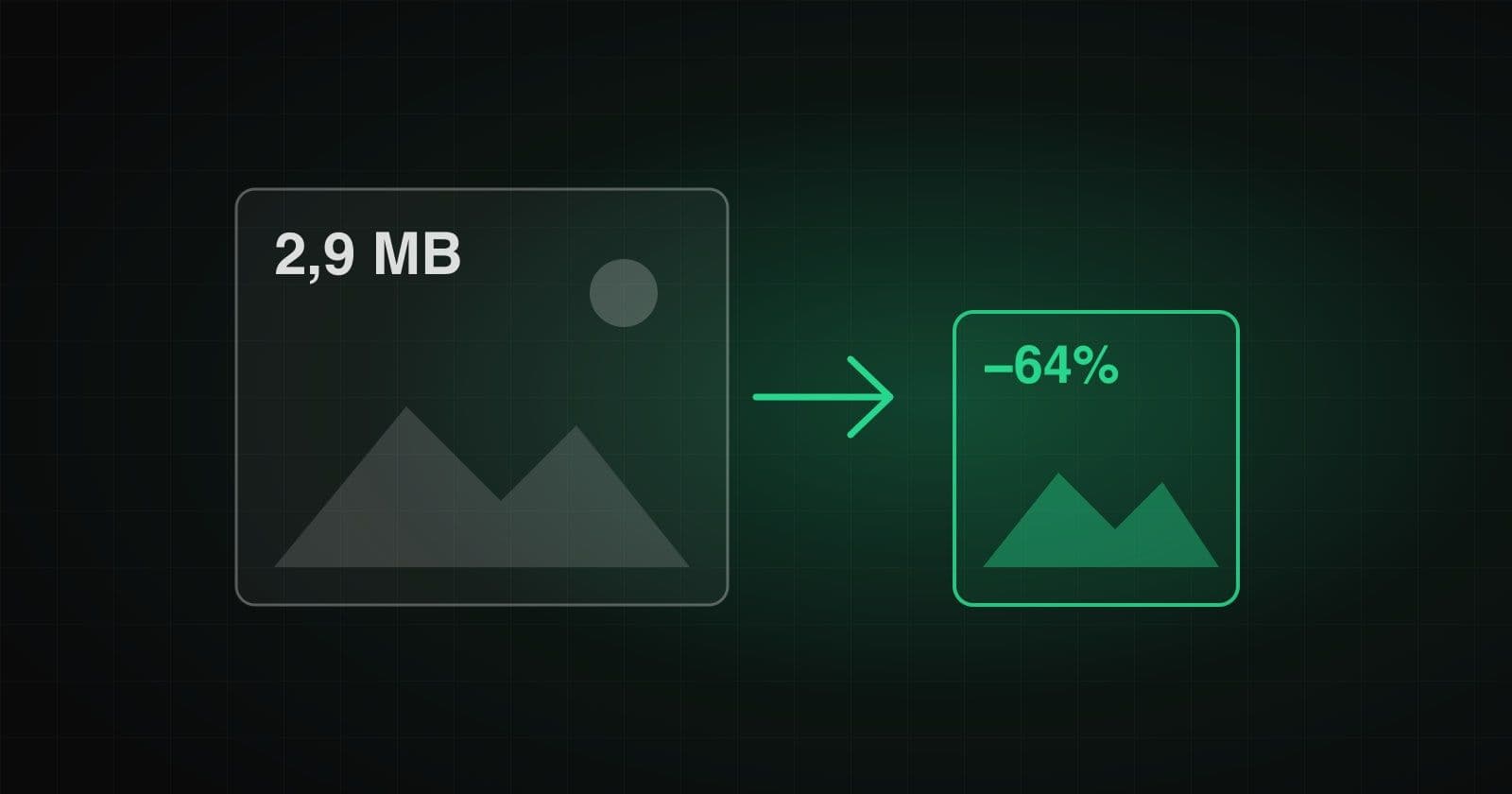 Web development
Compressing Images for a Website: What to Choose and How Not to Spoil Quality
Three levers that reduce image weight: size, format and quality. How to choose a compression level, when a palette works for PNG and why the “do not enlarge the file” rule matters.Read →
Need advice on the topic?
Describe the task: we will suggest where to start and say honestly what you can skip.