The Anatomy of Manipulation: How to Recognize Pressure and a Contextual Attack
Modern attacks rarely look like primitive spam: they blend into familiar processes and rely on a person’s real context. How reconnaissance is gathered, how multi-step scenarios are built and which "emergency stop" rules help.
When we hear "social engineering", we picture a clumsy email about a prize or an inheritance. Such emails still exist, but the most dangerous ones are those you will not notice: a neat message that looks like part of your ordinary work.
Reconnaissance: what is already known about you
Before writing to a person, an attacker usually gathers information. No complicated tools are needed. Open sources, which specialists call OSINT, are enough:
- profiles on social and professional networks: job title, colleagues, projects, sometimes even vacations;
- the company page: who is responsible for what, which services are used, who recently joined;
- job postings that show which tools the team has;
- old data leaks from services where you once registered;
- public correspondence or comments that show a communication style.
Each such detail looks harmless on its own. Together they provide material for a message that sounds as if it was written by someone who is really in the know.
Note that you do not need to give up public profiles. It is enough to understand that open information can be used and not to treat the plausibility of a message as proof it is genuine.
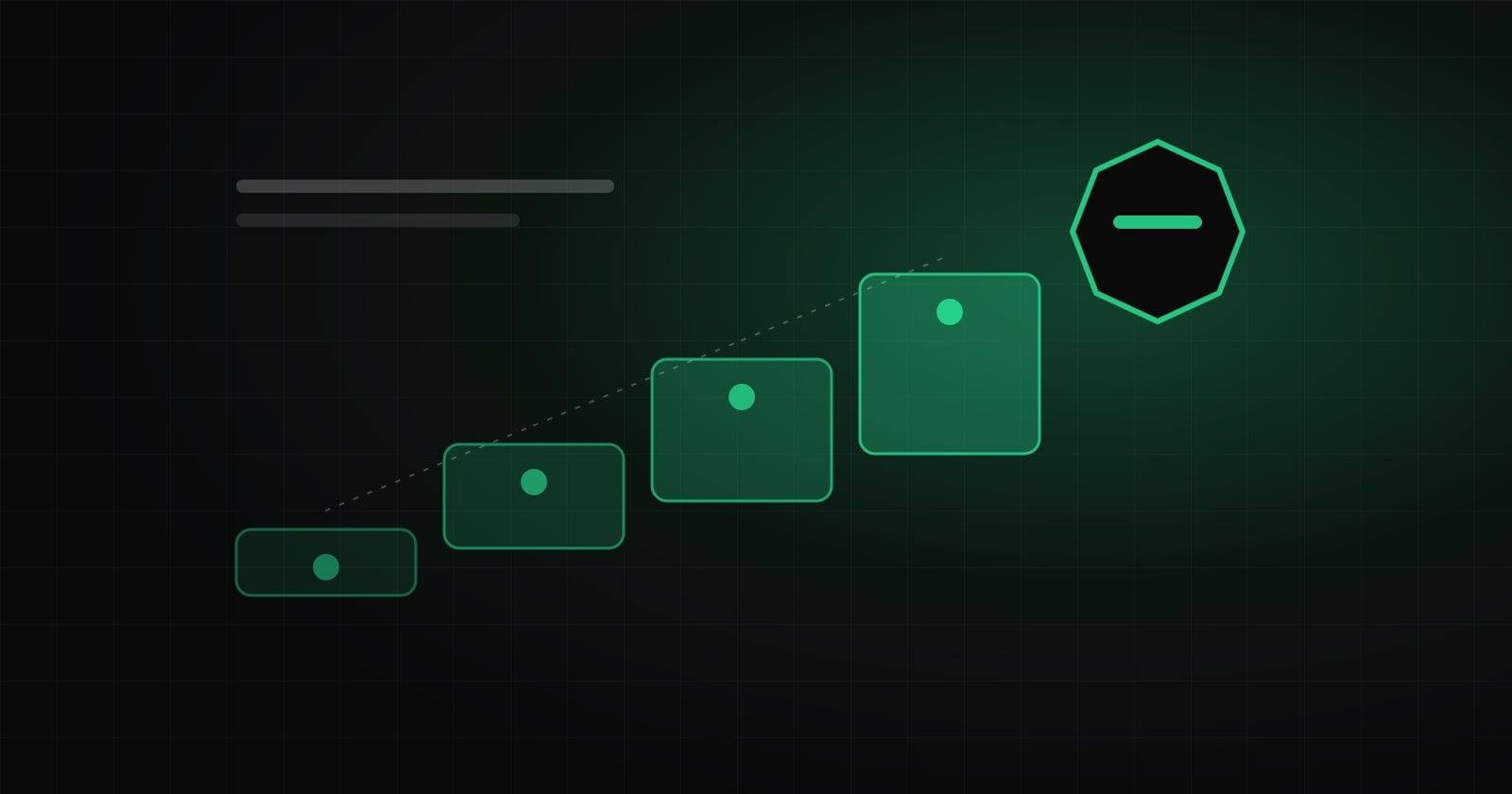
Multi-step scenarios: trust first, request later
Simple attacks are a single message: "click here". More complex ones are built gradually.
- Contact. A harmless message: a clarification, a greeting, a question about a service or a job.
- Trust. A few emails or calls with no requests at all. Sometimes a real colleague or event is mentioned.
- A pretext. An "urgent problem" appears: a payment failure, an error in a document, a needed confirmation.
- The request. Follow a link, send a file, read out a code or change bank details.
It is the gradual pace that makes the scenario work. The person is already talking, has already answered a few times and feels that refusing would be rude. That is why the rule "do not trust strangers" does not always help: by the time of the request, the stranger already looks familiar.
When we are most vulnerable
An attack is rarely launched at random. Attackers choose moments when checking is harder:
- The end of a day or a week, when the person's thoughts are already elsewhere.
- Rushes and deadlines, when "this needs to be done fast" sounds natural.
- Process changes. A new system, new rules, a new supplier: the person does not know what a normal request should look like, so a wrong one is easier to take for a right one.
- Emotional events. Holidays, vacations, personal news, war or crisis situations, when attention is scattered and the wish to help is stronger.
This is not a weakness of a particular person. It is a property of any nervous system, and it is smarter to take it into account than to pretend it does not exist.
Signs of pressure worth noticing
Some signals are worth treating as a "yellow light" even if everything else looks convincing:
- a request to act immediately and tell nobody;
- a request to bypass the usual procedure "just this once";
- a change of channel: from a work chat to a personal messenger or a call;
- an unusual request from a familiar person, written slightly not in their style;
- pressure on emotions: fear, guilt, a promise of a reward;
- a refusal to explain why the request cannot be verified another way.
One signal proves nothing yet. Two or more mean it is time to stop.
"Emergency stop" rules
The best defense against haste is decisions made in advance. When your head is busy, there is no time to invent rules.
For a team:
- Changing bank details, large payments and granting access need confirmation from a second person through another channel.
- Anyone can stop a request without explanation, without fear of being accused of distrust.
- There is a single place where suspicious messages are forwarded, with a quick answer of "this is real" or "this is not".
- Mistakes are reported without punishment: a fast reaction is worth more than finding someone to blame.
For private users:
- Never read out codes from text messages or apps to anyone, even if it is the "bank" or "support". Real services do not ask for them.
- If someone calls and pressures you, hang up and call back using the number from the official website.
- Agree in the family on a code word or question you can ask if a "loved one" asks for money in a message or a voice note.
- Give yourself a rule: "urgent and unusual means I verify".
Summary
You cannot fully protect yourself from social engineering, but you can make it more expensive and slower for the attacker. This needs no complex technology: agreements, a habit of asking twice and a sense that it is normal are enough.
If you want such rules built into your team's processes, we can help in the cybersecurity direction. And for how manipulation meets a technical trap, read our article on the link between phishing and social engineering.
How we help with this
Services related to the topic of this article:
Frequently asked questions
How do attackers know my work details?
Most often from open sources: social network profiles, company pages, job postings, old data leaks and public documents. Each detail seems harmless alone, but together they create a plausible context.
Why do attacks happen more often during a rush?
When a person is tired, in a hurry or switching between tasks, they check details less. Attackers choose such moments on purpose: the end of a quarter, a process change, a manager’s vacation.
What is an "emergency stop"?
It is a rule agreed in advance that lets anyone stop an action and verify a request without explanations and without the risk of being laughed at. For example: no transfers or bank detail changes without confirmation from a second person.
Read next
 Cybersecurity
From a Click to Lost Access: Why Even Experienced Users Fall for Modern Phishing
It is not "illiteracy" that lets a person down but automatic habits and a well-built scenario. A look at traps built on haste, the smartphone and "account confirmation", and how to build protection for yourself and your team.Read → Cybersecurity
People Are the Most Flexible Link: Why Technical Protection Is No Longer Enough
Passwords, two-factor authentication and antivirus are necessary, but social engineering bypasses them by working with trust, haste and fear. Why it is cheaper than a technical attack and how to build a healthy culture of verification.Read → Cybersecurity
Phishing Is Not Dead, It Put On the Mask of an Acquaintance: How It Works with Social Engineering
Phishing is a technical trap and social engineering is the psychological hook. Where the line between them lies, why attacks "from acquaintances" hit more precisely than mass mailings and what to do in the first minutes after a mistake.Read →
Need advice on the topic?
Describe the task: we will suggest where to start and say honestly what you can skip.