People Are the Most Flexible Link: Why Technical Protection Is No Longer Enough
Passwords, two-factor authentication and antivirus are necessary, but social engineering bypasses them by working with trust, haste and fear. Why it is cheaper than a technical attack and how to build a healthy culture of verification.
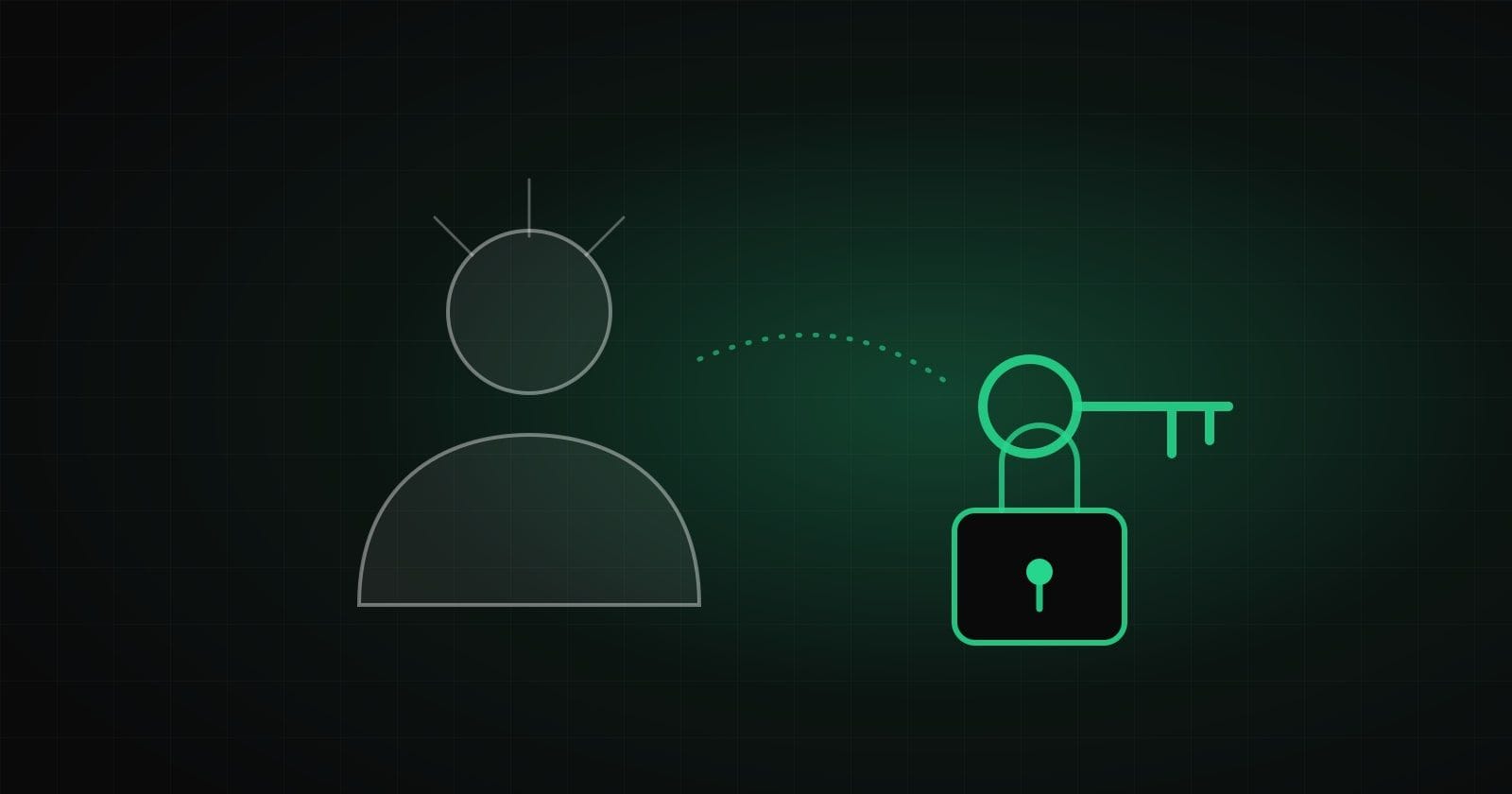
Companies invest in strong passwords, two-factor authentication, antivirus and monitoring. That is right, and we advise doing exactly that. But there is a gap no software can close: a person can hand over access themselves to someone who asked convincingly.
Why it is cheaper than a technical attack
Breaking a well-configured system is hard and expensive. It takes knowledge, time and a lucky coincidence. Convincing an employee to "confirm the code from the text message" is much easier: a plausible scenario and a few minutes of conversation are enough.
For an attacker such an approach has several advantages:
- No vulnerability in code is needed. It is enough to find a person at the right moment.
- It scales easily. One scenario can be sent to hundreds of people, and at least someone will respond.
- It is hard to detect. To the system it looks like an ordinary login by an ordinary user with the right password.
That is why even teams with serious technical measures stay vulnerable if the keys to them can be talked out of someone.
Which buttons attackers press
Social engineering works on ordinary human reactions. Four triggers are used most often.
- Urgency. "Your account will be blocked in an hour", "the payment must be confirmed immediately". When there is no time to think, the chance of a mistake grows.
- Authority. A message "from the security team", "from management" or "from technical support". It is hard to refuse someone who sounds like they have the right to ask.
- Fear. A threat of a fine, a block, a dismissal or trouble with the law.
- Gain. A bonus, a refund or a reward supposedly assigned urgently to you.
All four have one thing in common: they make you act faster than you can think. If a message has both urgency and an unusual request, that is already a reason to stop.
Why one training a year is not enough
Many companies hold a cybersecurity training once a year. People listen, tick a box and go back to their usual work. A month later few remember it.
The habit of recognizing manipulation forms the way other skills do: through repetition and practice. What helps:
- Short regular reminders. A few minutes once a month work better than an hour once a year.
- Real examples. Show real messages your colleagues received, without names and without blame.
- Safe simulations. A training mailing after which the person sees exactly what they should have noticed.
- No punishment. If a person who made a mistake is afraid to admit it, you learn about the problem late. It is better when suspicious emails are reported right away and without fear.
Healthy skepticism without paranoia
The goal is not for everyone to suspect everyone. Work where every email is checked for an hour does not function. A simpler rule is needed: an unusual request is verified outside the same channel it arrived in.
In practice it looks like this:
- A request to transfer funds, change bank details or send access? Call the person on a number you already know.
- An email from a "bank" or a "service"? Open the site yourself instead of following the link.
- A message from a colleague who suddenly asks for gift cards or a code? Write to them in another messenger or ask by voice.
Such a check takes a minute, and if the request is real nobody will be offended. Make it the norm: in a team where it is fine to ask twice, attackers have a much harder time.
What to do right now
- Agree in your team on how financial and administrative requests are confirmed.
- Turn on multi-factor authentication everywhere it exists, preferably with hardware keys or an app rather than text messages alone.
- Set up a simple channel where a suspicious message can be forwarded quickly.
- Tell the team a few real stories so that the abstract threat becomes concrete.
Read more about the basic steps in Business security: 7 steps, and if you need an audit of access and processes, see the cybersecurity direction.
How we help with this
Services related to the topic of this article:
Frequently asked questions
What is social engineering?
It is manipulating a person to gain access, money or information. The attacker does not break a system but convinces a person to do the needed action themselves: share a code, follow a link, make a payment.
Does an annual security training help?
On its own, only a little. Knowledge from a presentation is quickly forgotten. Short regular reminders, reviews of real examples and safe training simulations work better, after which the person gets an explanation rather than a reprimand.
How do you verify a suspicious request?
Contact the sender through another channel that you know yourself: call a known number or write in the work chat. Do not use contacts from the suspicious message.
Read next
 Cybersecurity
From a Click to Lost Access: Why Even Experienced Users Fall for Modern Phishing
It is not "illiteracy" that lets a person down but automatic habits and a well-built scenario. A look at traps built on haste, the smartphone and "account confirmation", and how to build protection for yourself and your team.Read → Cybersecurity
The Anatomy of Manipulation: How to Recognize Pressure and a Contextual Attack
Modern attacks rarely look like primitive spam: they blend into familiar processes and rely on a person’s real context. How reconnaissance is gathered, how multi-step scenarios are built and which "emergency stop" rules help.Read → Cybersecurity
Phishing Is Not Dead, It Put On the Mask of an Acquaintance: How It Works with Social Engineering
Phishing is a technical trap and social engineering is the psychological hook. Where the line between them lies, why attacks "from acquaintances" hit more precisely than mass mailings and what to do in the first minutes after a mistake.Read →
Need advice on the topic?
Describe the task: we will suggest where to start and say honestly what you can skip.